All Categories
Featured
Direct Consumer Guide for Selecting 2026 Life Insurance
Maximizing Indexed Universal Life Policy Benefits in Reti...
Comparing 2026 Medicare Benefits
Table of Contents
Some also consist of Medicare drug protection (Part D). These other kinds of health plans consist of: Medicare Expense PlansDemonstration/pilot programsProgram of Complete Look after the Elderly (PACE).
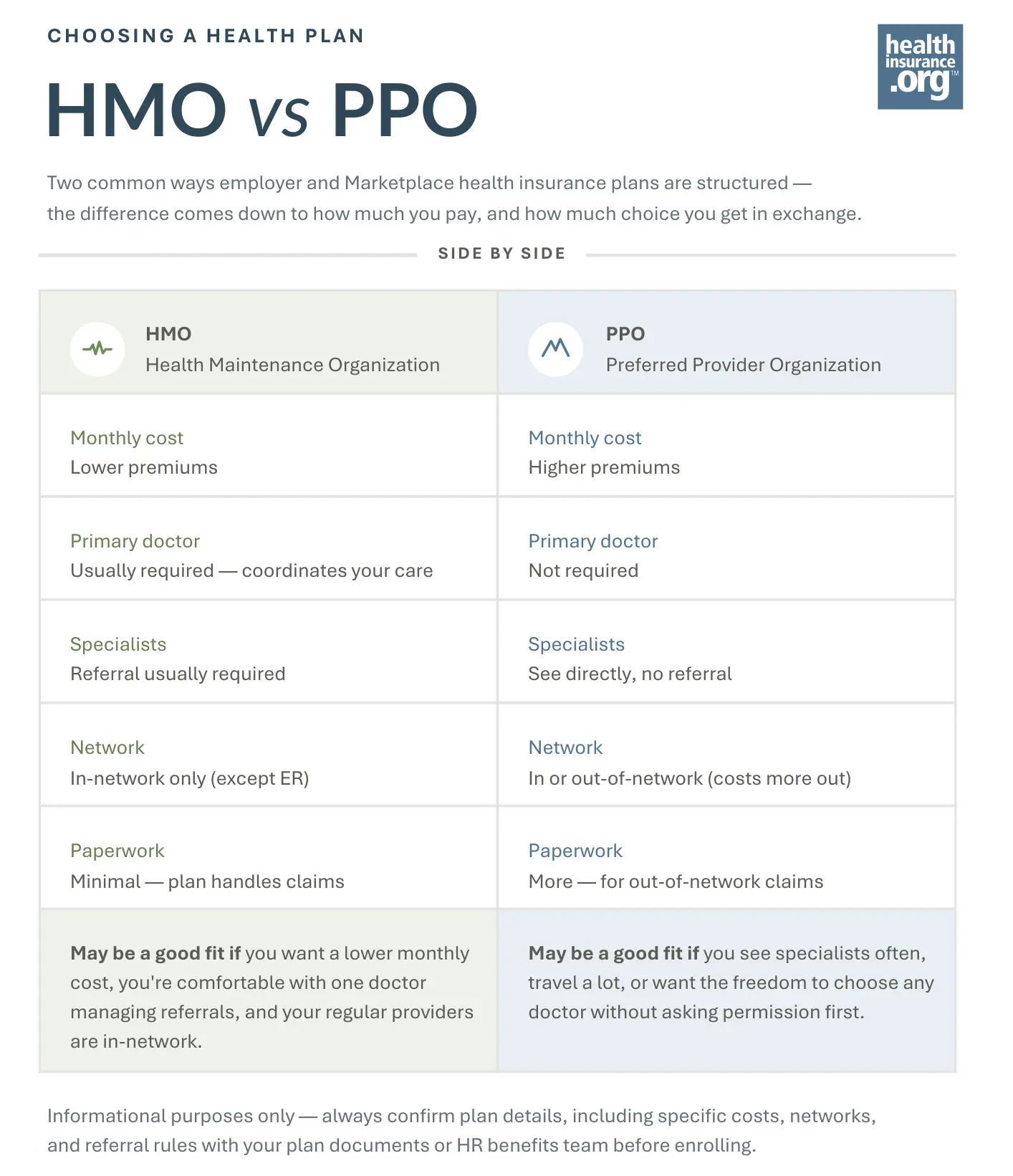
Require registration information:, 7 days a week. From additional dental, vision, and hearing coverage to resources and support you can utilize every day, Wellcare merely offers you more including $0 or low monthly strategy premiums. Things to search for in your Medicare Benefit plan options: Depending on your location, Wellcare provides strategy types like D-SNP, HMO, PPO, and C-SNP so you can pick the protection alternative that's right for you.
A copayment, or copay, is the amount you pay for a covered service. It is very important to think about copay quantities when comparing the whole expense of plans. All Medicare Advantage plans are needed to use the same protection as Initial Medicare, that includes Part A (medical facility) and Part B (medical) coverage.
Final Expense Insurance Tips for Veterans
The deductible is the quantity of money you pay out of pocket before your plan begins to pay. Medicare Advantage strategies have low or no deductibles and minimal out-of-pocket spending, unlike Original Medicare. 8 a.m.-8 p.m., 7 days a week.
Picking these links will take you away from HealthSpring Medicare strategies. 1 Not all Medicare Benefit Plans include Part D prescription coverage.
Non-standard services that call for an included cost are not part of the fitness program and will not be reimbursed. This info is not a complete description of benefits.
Medicare Advantage Plans available nationwide in 2026. The number of plans available to an individual Medicare recipient varies from state to state.
Effective IUL Plans for Retirement
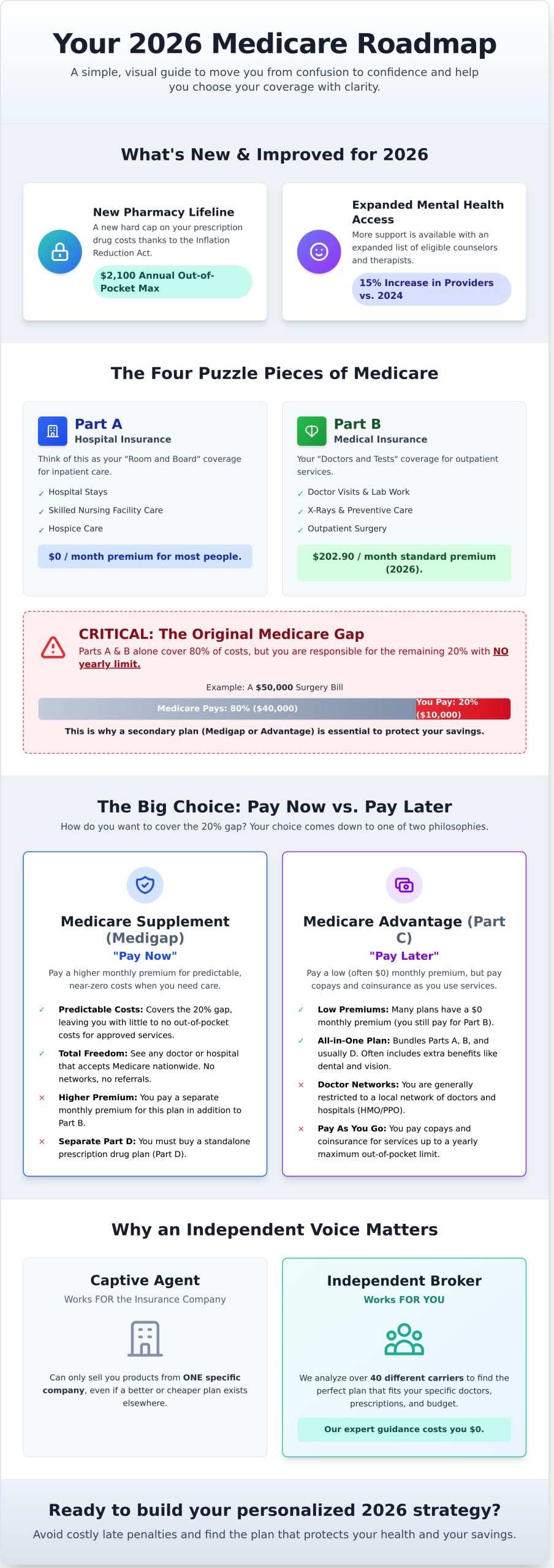
The average month-to-month premium for Medicare Advantage plans with prescription drug protection is anticipated to decrease from $16 in 2025 to $14 in 2026. It is approximated that about 81% of Medicare recipients are registered in Part D, which covers prescription drug expenditures. The CMS estimates that month-to-month premiums for stand-alone Part D plans will drop from $38 in 2025 to $34 in 2026.
Part D premiums as much as $50 per month, higher than the present $35 month-to-month optimum.
In the end, it suggests less cash in customers' pockets." Kanwar Kelley, MD, a specialist in otolaryngology head and neck surgical treatment, obesity medicine, and lifestyle medication in addition to the co-founder and chief executive officer of Side Health in Orinda, CA.Despite these cost reductions, specialists state some Medicare receivers could still pay more for prescription drugs."Although the cost of Part D (drug advantages) may decrease in general, the reduction in options and changes to covered medications could lead to greater expenses for customers of certain specialized medications," Kelley noted.
Selecting 2026 Medicare Options
The Centers for Medicare & Medicaid Solutions (CMS) estimates there will be about 5,600 Medicare Benefit Plans readily available nationwide in 2026. That is close to the numbers from 2025, when the variety of options decreased from the previous year. The variety of strategies offered to a private Medicare recipient differs from one state to another.
Insurance GlossaryThe average monthly premium for Medicare Benefit plans with prescription drug protection is anticipated to reduce from $16 in 2025 to $14 in 2026. It is estimated that about 81% of Medicare receivers are registered in Part D, which covers prescription drug expenses. The CMS estimates that regular monthly premiums for stand-alone Part D plans will drop from $38 in 2025 to $34 in 2026.
Part D premiums as much as $50 per month, higher than the present $35 month-to-month maximum.
In the end, it suggests less cash in consumers' pockets." Kanwar Kelley, MD, a professional in otolaryngology head and neck surgical treatment, obesity medicine, and lifestyle medicine in addition to the co-founder and ceo of Side Health in Orinda, CA.Despite these cost decreases, specialists say some Medicare recipients could still pay more for prescription drugs."Although the cost of Part D (drug advantages) may decrease overall, the decrease in options and modifications to covered medications might lead to greater costs for consumers of specific specialized medications," Kelley noted.
Comparing Whole and Term Insurance
The Centers for Medicare & Medicaid Provider (CMS) approximates there will be about 5,600 Medicare Advantage Plans available nationwide in 2026. That is close to the numbers from 2025, when the number of options decreased from the previous year. The number of strategies readily available to an individual Medicare recipient varies from one state to another.
The average regular monthly premium for Medicare Advantage plans with prescription drug protection is expected to decrease from $16 in 2025 to $14 in 2026. It is approximated that about 81% of Medicare receivers are enrolled in Part D, which covers prescription drug costs. The CMS estimates that month-to-month premiums for stand-alone Part D plans will drop from $38 in 2025 to $34 in 2026.
Insurance companies will be allowed to raise Part D premiums as much as $50 monthly, higher than the present $35 monthly optimum. Medicare officials are expected to continue to work out prices for drugs covered under Part D.Experts say that might result in discount rates of 38% to 79% on market price on 10 commonly utilized prescriptions, consisting of blood thinners Eliquis and Xarelto, as well as diabetes medications Januvia, Jardiance, and Farxiga. People with Part D strategies will also continue to have the choice to utilize an automatic prescription payment strategy that spreads out drug costs for many years.
Final Expense Coverage Tips for Veterans
, MD, an expert in otolaryngology head and neck surgical treatment, obesity medicine, and lifestyle medicine as well as the co-founder and primary executive officer of Side Health in Orinda, CA.Despite these price decreases, professionals say some Medicare receivers might still pay more for prescription drugs."Although the rate of Part D (drug advantages) may reduce in general, the decrease in choices and modifications to covered medications could result in higher expenses for consumers of particular specialized medications," Kelley noted.

Latest Posts
Direct Consumer Guide for Selecting 2026 Life Insurance
Maximizing Indexed Universal Life Policy Benefits in Retirement

Burial Insurance Tips for Veterans